Egypt Travel Tips and Useful Info
Egypt Travel Tips and Useful Info
Essential Insights and Advice for an Unforgettable Journey
Planning a trip to Egypt? We are certain you will have an incredible journey, and to ensure your preparation is completely seamless, we have compiled this practical guide. This page is packed with expert advice to help you prepare for your upcoming adventure, including essential details regarding health requirements, local dining expectations, and much more. Here are the answers to the most frequent questions our travelers ask:
What vaccinations do I need for Egypt?
You should consult with your local healthcare practitioner or medical professional before departing for Egypt to ensure you receive all necessary protective shots. As a general baseline, vaccinations for Tetanus, Diphtheria, Typhoid, Hepatitis A, and Rabies are highly recommended for travel here. For detailed updates regarding medical precautions and health advice for Egypt, please review the official NHS Fit to Travel website or the CDC Traveler's Health platform.
Is it safe to drink tap water in Egypt?
Municipal tap water in Egypt is technically safe at its source, but because it undergoes heavy chlorination, we strongly advise against drinking it as it frequently causes stomach upsets for international visitors. High-quality bottled mineral water is incredibly inexpensive and readily available at all hotels, local shops, and restaurants. The local tap water is perfectly fine to use for showering and brushing your teeth.
What's the food like in Egypt?
Featuring an abundance of succulent grilled meats, fresh fish, and seasoned vegetables, Egyptian cuisine offers something to delight almost every palate, though it is wise to take a few basic precautions to avoid holiday stomach bugs. Because the local tap water is heavily chlorinated, it is best to avoid raw salads unless you are dining in upscale restaurants, luxury hotels, or premium Nile cruise boats. Every dish you consume should be served piping hot to guarantee it has been thoroughly cooked, and you should avoid any food that appears to have been sitting out at room temperature for a while. We suggest taking a daily probiotic supplement for a few weeks prior to and during your trip to naturally strengthen your stomach against unfamiliar bacteria.
The local culinary style shares a close heritage with the traditional cuisines of Turkey, Jordan, and neighboring Middle Eastern countries. The daily diet heavily features nutritious pulses, most notably fuul medames (slow-cooked fava beans often garnished with vegetables and hard-boiled eggs) and ta'amiyya (crispy chickpea and fava patties), though international visitors are more frequently treated to spectacular spreads of grilled meats accompanied by fresh rice, seasonal vegetables, and mezze platters. Creamy hummus and various yogurt-based dips paired with fresh pita bread, savory shawarma (similar to a Turkish doner kebab), skewered kofta (spiced minced meat), and fiteer (a layered Egyptian pastry) are other incredibly popular choices.
The ultimate lunchtime bargain is undoubtedly kosheri, which is a unique but completely delicious comfort food combining noodles, rice, lentils, crispy fried onions, and a spicy tomato sauce. It is exceptionally flavorful and remarkably cheap. Freshly baked bread is a vital element of every Egyptian meal, and a local variety will be served alongside almost everything you eat. Vegetarian travelers will find an array of exceptional choices, with stuffed bell peppers, grilled aubergine, and baked squash serving as highly popular meat-free dishes across the country.
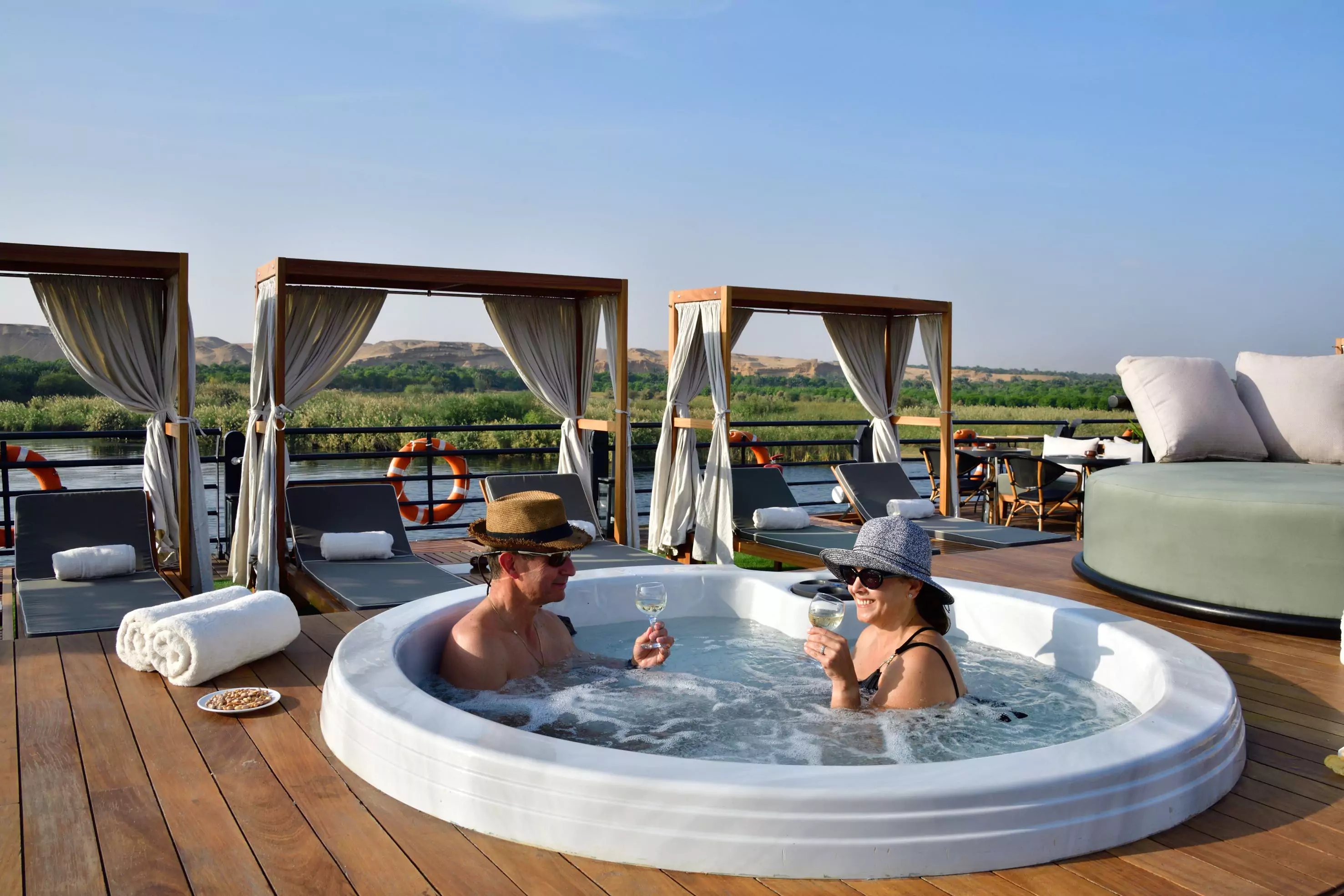
Exotic, freshly squeezed juices made from seasonal fruits like mango, guava, and other local varieties are widely available, as is an abundance of fresh whole fruit. Because Egypt is a predominantly Islamic nation, alcohol is not sold everywhere, though major international hotel chains and cruise vessels always provide a beautifully stocked lounge bar for their guests.
Is it standard to tip in Egypt?
Tipping (locally known as Baksheesh) is an essential, customary component of Egyptian service culture due to low baseline service wages. It is viewed as an expression of gratitude for excellent personal hospitality and care.
Tipping scales dynamically based on party size and the length of your daily excursions. We suggest budgeting according to the following baseline recommendations:
| Service Provider | Recommended Gratuity (Per Person) |
|---|---|
| Private Tour Guide (Cairo, Luxor, Aswan) | $20 – $25 per day (Parties of 2-5) $10 – $15 per day (Parties of 6-16) |
| Private Tour Driver | $7 – $10 per day (Parties of 2-5) $5 – $7 per day (Parties of 6-16) |
| Nile Cruise River Crew (Excludes Guide) | $5 – $10 per night (Handed in an envelope to reception at checkout) |
| Dahabiya Private Cruise Crew | $10 – $20 per night |
| Hotel/Airport Luggage Porters | $1 – $2 per bag |
Is bargaining common in Egypt?
Haggling and negotiating over retail prices is a fundamental, culturally authentic part of the shopping experience in Egypt's traditional bazaars and markets. Shopkeepers will frequently inflate their initial prices significantly so that after a spirited back-and-forth exchange, a final compromise is reached that satisfies both parties. The secret is to open with a low counter-offer and work your way up, always keeping a firm maximum budget in mind. It is a smart idea to check out prices in fixed-price souvenir shops near popular archaeological sites first so you have a realistic benchmark of what goods should cost.
What to shop for in Egypt?
The markets of Egypt resemble a real-world Aladdin’s Cave. While Cairo's historic Khan al-Khalili bazaar is cavernous and packed with an incredible array of unusual and everyday treasures, smaller souks and vibrant bazaars are found in every major town and city. Top items to purchase include cotton clothing, detailed brassware, premium leatherwear, mosaic lamps, ornamental mirrors, backgammon boards, hand-crafted shisha pipes, Pharaonic artifacts carved from marble and alabaster, premium Egyptian cotton linens, and authentic hand-painted papyrus.
Is it safe to visit Egypt as a solo woman?
The local cultural norms regarding gender roles differ from those in Western countries, meaning that traveling as a solo female requires a bit of mindful planning to ensure a completely comfortable and relaxed vacation. The absolute best way to avoid unwanted or persistent attention is to dress conservatively at all times, which means keeping your shoulders, upper arms, chest, and knees fully covered with loose-fitting, non-transparent clothing. While the intense Egyptian sun might entice you to wear minimal clothing to work on your tan, dressing respectfully demonstrates an appreciation for the local culture. Within the private Red Sea beach resorts, the local staff are highly accustomed to Western vacation styles, so a relaxed attitude toward clothing is generally never an issue.
Just like in any massive metropolitan city worldwide, it is sensible to use caution and avoid walking alone through the streets of downtown Cairo late at night. If you do happen to receive any unwanted attention, the most effective response is to appear completely cool and standoffish, as casual friendliness can sometimes be misinterpreted. Egypt is by no means a dangerous or risky destination for female travelers. The Egyptian people are legendary for their hospitality, warmth, and sense of humor, and they are bound to leave a wonderful, lasting impression on you. Simply remain cautious and respectful of local traditions to get the absolute most out of your time in this breathtaking country.
Cultural Hints and Etiquette
It is not just female travelers who need to consider their attire when exploring; men should also wear long trousers and keep their shoulders covered to match how local Egyptian men dress in public. Wearing shorts on city streets is generally looked down upon, even though a surprising number of international visitors choose to ignore this local custom. Shorts are best reserved strictly for beach resorts and pool decks. When entering a holy mosque, both men and women must cover up completely, with women additionally required to cover their hair with a headscarf. Please remember to remove your shoes before stepping onto the carpeted prayer floors.
Displays of romantic physical affection should be avoided entirely in public spaces. It is very common to see local Egyptian men greeting one another with warm hugs and cheek kisses, but members of the opposite sex should completely refrain from physical contact outside the total privacy of their hotel room.
When exploring traditional bazaars, local markets, and shops, you will frequently encounter highly persistent sales pitches. The most respected way to respond is by remaining polite; when declining an offer, simply look at the vendor and place your right hand over your heart. This gesture is viewed across Egypt as a sign of humble gratitude and serves as an incredibly polite way to decline any offer.
In local tradition, the left hand is historically associated with personal hygiene and toilet etiquette. To avoid any awkward faux pas around the dinner table or in public, always use your right hand for eating food, shaking hands, and when handing money, tips, or gifts to anyone.
Is Egypt a suitable family holiday destination?
Without a doubt! Travelers of all generations are guaranteed to be absolutely awed by Egypt's legendary ancient treasures, from the Great Pyramids to Karnak Temple and the hidden tombs of the Valley of the Kings. Fun experiential activities like desert camel rides and sailing the Nile on a classic felucca boat are perfect adventures for the entire family to share. Along the Red Sea coast, you will find an abundance of family-friendly resorts equipped with dedicated kids' play zones, secure swimming pools, and daily organized activities. This ensures parents can completely unwind while children are safely entertained and cared for.
On our scheduled group tours, we gladly welcome young adults aged between 16 and 18 years when accompanied by a parent or legal guardian. If your chosen group itinerary includes overnight camping nights on board a traditional wind-powered felucca, those aged between 16 and 18 are required to upgrade to our modern Nile Cruiser option for that specific section of the holiday. Meanwhile, our private journeys and tailor-made custom holidays happily cater to families and travelers of absolutely any age.
What is the duty free allowance for Egypt?
The following items may be imported into Egypt by international travelers over the age of 18 without incurring any customs duties or taxes:
- 200 cigarettes, 25 cigars, or 200 grams of tobacco.
- 1 liter of alcoholic beverages.
What is the currency in Egypt?
The official currency of the country is the Egyptian Pound (LE), which is divided into 100 piastres. Banknotes come in denominations ranging from 5, 10, 20, 50, 100, and 200 LE.
Major global currencies including US Dollars, Euros, and Pound Sterling can be easily exchanged at various local bureaus de change, and ATMs are widespread across all major towns and cities. You can check online platforms like OANDA for the most up-to-date exchange rates. We always advise requesting banknotes in smaller denominations because it can sometimes be hard to get change from large notes, and smaller bills are incredibly handy for daily purchases and gratuities. Credit and debit cards are widely accepted in government-run souvenir stores, most primary hotels, and Red Sea beach resorts.
Travelers' checks are highly discouraged because they are often difficult to exchange at modern banks and incur steep transaction fees.
What do things cost in Egypt?
Egypt is an exceptionally price-competitive destination, so much so that it was officially ranked as the world's second-cheapest nation for international visitors based on hotel pricing, local taxes, and purchasing power parity. Issued by the World Economic Forum, the Travel and Tourism Competitiveness Report highlights that Egypt represents an incredible bargain, especially for travelers visiting from Western countries. In terms of independent dining, you can expect to pay around $10 USD per person for an inexpensive restaurant meal, though your final bill will naturally vary depending on the venue and how many courses you choose. A one-liter bottle of water costs roughly $1.20 USD, while a bottle of beer tends to be priced around $4 USD, though it is usually a bit more expensive inside hotel bars.
When traveling on a group tour that already includes your accommodation, sightseeing, breakfast, and transportation, we suggest budgeting between $40 USD and $50 USD per person per day to cover your additional meals, snacks, drinks, souvenirs, and incidental purchases.
Additional Questions
What sort of plugs do I need for Egypt and what is the voltage?
The standard voltage across the country is 220 volts. Sockets require the standard European two-pronged variety. We highly recommend packing a universal travel adapter. You will specifically need both a voltage converter and a plug adapter to use standard U.S. appliances safely.
Is WiFi widely available in Egypt?
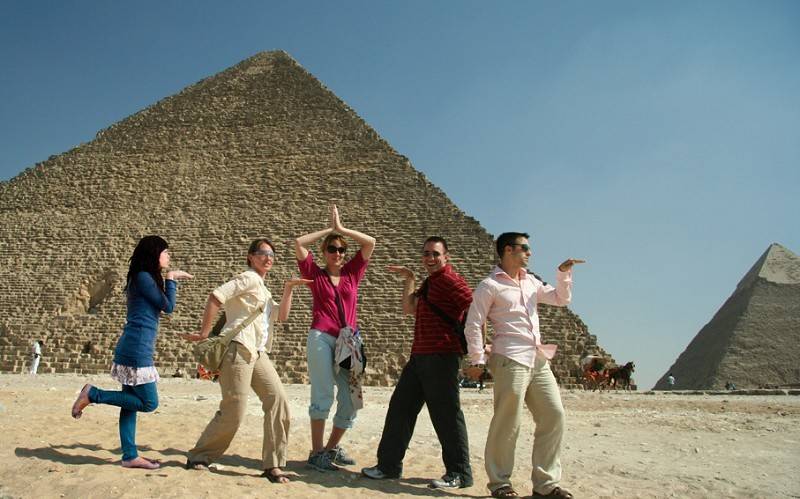
Getting online during your journey is relatively easy. In the larger cities, most cafes and restaurants offer free Wi-Fi connection. Furthermore, all four- and five-star hotels in Egypt are required to provide internet access. This is frequently complimentary in the main lobby and either free or premium within your guest room. So do not worry, you will have no trouble sharing your perfect photos in front of the Pyramids!
What time zone is Egypt on?
Egypt operates at two hours ahead of Greenwich Mean Time (GMT+2).
Emergency Resources for Egypt
The local government and dedicated police officials provide comprehensive, round-the-clock protection and assistance to international tourists visiting Egypt. We highly recommend saving these crucial emergency hotline numbers to your phone before your departure:
- Ambulance Services: 123
- Traffic Police: 128
- Emergency Police: 122
- Tourist Police: 126
- Fire Department: 180
- Electricity Emergency: 121
Travelling during public holidays
Ramadan - what to expect
One of the central pillars of Islam requires Muslims to fast during the Holy Month of Ramadan, which commemorates the divine gifting of the Quran to the Prophet Mohammed. From sunrise to sunset, those observing the fast completely refrain from eating, drinking, and smoking. There are distinct advantages and unique considerations to keep in mind if you choose to visit Egypt during this sacred month. On the bright side, the country takes on a magical, celebratory atmosphere as soon as the sun goes down. Local people hit the streets immediately after the evening Al Iftar meal, ready to socialize, play cards, enjoy special live musical and theatrical entertainment, and have fun. Markets and shops reopen and stay bustling until the early hours of the morning. Many major hotels and local venues construct beautifully decorated Ramadan tents where they offer traditional holiday snacks, sweet drinks, water pipes, backgammon boards, card games, and live entertainment under the stars.
The other side of the coin is that the usual day-to-day business flow is altered. Local banks and government offices operate on significantly shorter working hours, and some local restaurants close down entirely for the duration of the month. Roughly an hour before sunset, the city streets become incredibly hectic as everyone rushes to buy last-minute supplies and get home in time to break their fast with their families. If you plan your visit during Ramadan, you should anticipate that the standard sightseeing day will be slightly shortened. While there will still be plenty of tourist-centric restaurants open and serving lunch in the main historic areas, it is considered very poor manners to eat, drink, or smoke in plain view of fasting passersby on public streets.
We also remind our guests that your clothing choices should be a bit more circumspect and conservative than usual out of respect for the holy month. Some local women who do not normally cover their hair choose to do so during Ramadan, and many feel that cosmetic make-up, heavy perfume, and other personal vanities should be set aside during this sacred period. The precise dates of Ramadan vary from year to year. The holy month lasts for approximately thirty days and is entirely dependent on the lunar cycle and the Islamic calendar.
What is train travel in Egypt like?
Many of our classic holiday itineraries include an authentic overnight sleeper train journey connecting Cairo to Luxor or Aswan, or vice versa. The overnight sleeper train represents the highest class of rail travel available in Egypt, though by Western standards it should be anticipated as a moderate, rustic standard of accommodation. Private cabins on board the sleeper train are equipped with two bunk beds, and fresh linen is supplied by the attendant. Each cabin also features its own private washbasin and towel, and the main door can be securely locked from the inside. Shared washrooms, which include Western-style toilets, are located at the far end of each carriage. A simple evening dinner and a basic continental breakfast are included within your fare and served directly to your cabin. There is also a dedicated lounge and bar carriage located toward the center of the train where hot and cold beverages, and occasionally alcohol, can be purchased.
We always officially request that our group cabins are assigned side-by-side to allow our travelers to socialize before turning in for the night, though the final layout and location of the cabins ultimately rests entirely with the Egyptian Rail Authority.
Our Expert Recommendation: While the sleeper train offers a nostalgic, rustic cultural experience, it requires a journey of approximately 10 to 12 hours. For travelers looking to maximize their sightseeing time and enjoy ultimate comfort, we highly recommend taking a domestic flight instead. Flying between Cairo and Luxor, or Cairo and Aswan, takes only about 1 hour to 1 hour and 20 minutes. It is a much faster, smoother, and more efficient option that allows you to arrive completely refreshed and ready to explore the temples immediately.